Emergency Roof Tarping in East Texas: What Homeowners Need to Know
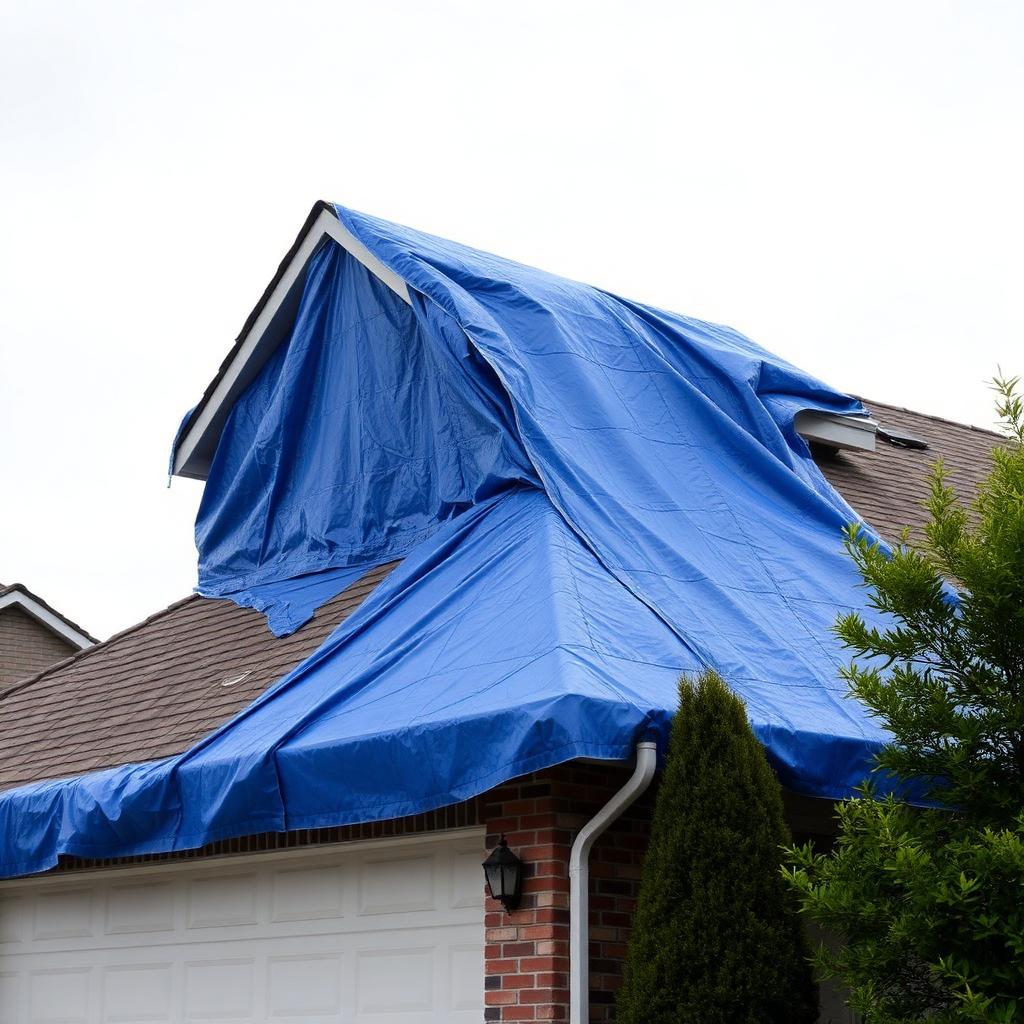
When a tree limb crashes through your roof at 2 AM or a hailstorm punches holes through your shingles, the clock starts ticking. Every minute your roof is exposed, water pours into your attic, insulation, walls, and ceilings — turning a $5,000 repair into a $30,000 catastrophe. Emergency roof tarping is the critical first response that stops the bleeding and buys you time to plan a proper repair. For East Texas homeowners in Tyler, Longview, and surrounding communities, understanding how emergency tarping works could save your home.
When Emergency Tarping Is Necessary
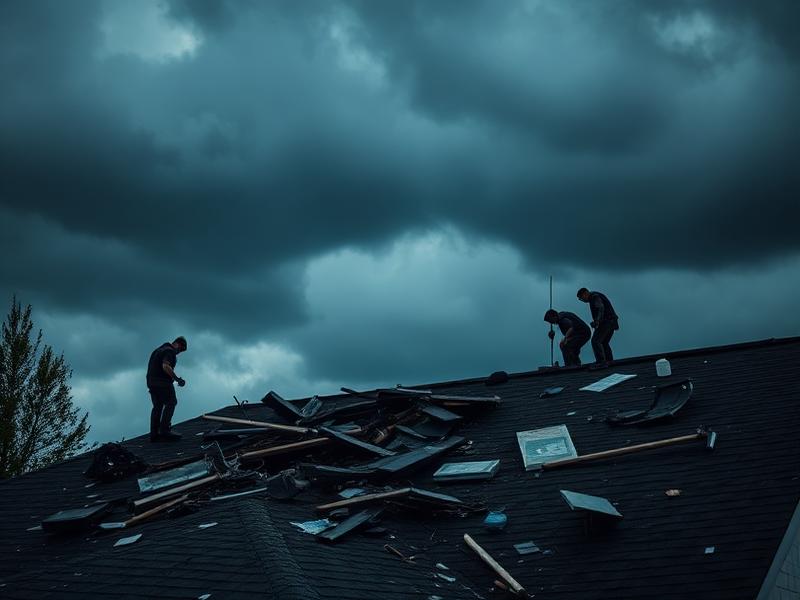
Tarping is required any time your roof has an active opening that allows water intrusion. Common scenarios in East Texas include: fallen tree limbs that puncture through decking, hail damage that creates multiple penetration points, wind that lifts or removes sections of shingles or flashing, tornado or straight-line wind damage that tears away large roof sections, and fire damage that compromises roof structure. If you can see daylight from inside your attic, you need emergency tarping immediately.
How Professional Emergency Tarping Works
A professional tarping crew arrives with heavy-duty UV-resistant tarps (typically 6-mil or heavier polyethylene), 2x4 lumber for securing edges, screws, and safety equipment. The process involves: Assessment — the crew evaluates the damage extent, identifies all penetration points, and determines the tarp coverage area needed (always extending at least 4 feet beyond the damaged area in all directions). Debris removal — broken branches, loose shingles, and debris are cleared to create a clean surface for the tarp. Tarp installation — the tarp is stretched over the damaged area and secured using 2x4 battens screwed through the tarp into the roof decking. Edges are wrapped around lumber to prevent wind lift. Properly installed emergency tarps withstand 60+ mph winds.
Why DIY Tarping Is Dangerous
Every year, East Texas emergency rooms treat homeowners who fell from wet roofs while attempting DIY tarp repairs. Roof surfaces become extremely slippery when wet, storm-damaged decking may be structurally compromised, and working at height during or immediately after severe weather adds wind and lightning risks. Professional crews have harnesses, roof jacks, and the experience to work safely on damaged structures. The cost of professional tarping ($500-$1,500 for most homes) is a fraction of what a fall injury costs.
What to Do While Waiting for the Tarping Crew
Move valuables away from the leak area. Place buckets, bins, or trash cans under active drips. If water is pooling on a ceiling, carefully poke a small hole in the center of the bulge to drain it into a container (this prevents the entire ceiling from collapsing). Take photos and videos of all damage for your insurance claim. Do NOT go onto the roof yourself.
Insurance and Emergency Tarping
Most Texas homeowners insurance policies cover emergency tarping as a 'reasonable step to prevent further damage.' Keep your tarping receipt — it's a reimbursable expense on your claim. In fact, failing to tarp a damaged roof can give your insurer grounds to deny coverage for secondary water damage, arguing you didn't mitigate the loss. Always tarp first, then file the claim.
How Long Can a Tarp Stay On?
A professionally installed tarp protects your roof for 30-90 days depending on weather conditions and tarp quality. However, tarping is a temporary measure — not a repair. Schedule permanent repairs as soon as possible. Extended tarping increases the risk of wind displacement, UV degradation of the tarp material, and moisture buildup beneath the tarp that can damage decking.
Yosemite Roofing provides 24/7 emergency roof tarping across Tyler, TX and East Texas. Call (903) 326-7255 for immediate storm damage response.
Now that you know what to look for, find out what your roof actually needs.
Start with a free roof inspection to discuss the condition of your roof and the next steps that fit your home.