Solar Shingles vs Solar Panels: Which Is Right for East Texas Homes?
Solar is finally hitting critical mass in East Texas. Rising electricity rates, federal tax credits, and a flood of new product options have Tyler, TX homeowners asking a question that didn't really exist five years ago: solar shingles or solar panels? Both options turn sunlight into electricity, both reduce your utility bill, and both can pay for themselves over their lifespan. But they are very different products with very different tradeoffs — and the right answer for your home depends on your roof's age, your aesthetic preferences, and how aggressive your savings timeline needs to be.
What Are Solar Panels?
Traditional solar panels (technically called photovoltaic modules) are the rectangular framed units you've seen mounted on rooftops for decades. They install on top of your existing roof using a rack-and-rail system. Modern residential panels produce 350–450 watts each, last 25–30 years, and carry strong manufacturer warranties. Brands like REC, Q CELLS, Panasonic, and SunPower dominate the East Texas market.
What Are Solar Shingles?
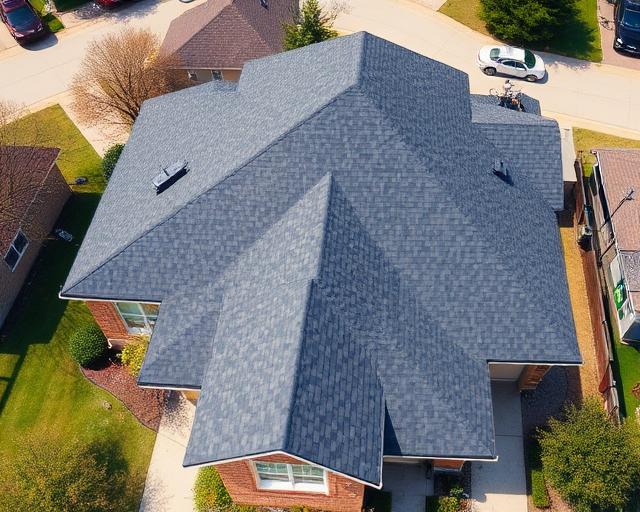
Solar shingles (also called solar roof tiles or building-integrated photovoltaics) replace your roofing material rather than mounting on top of it. Tesla Solar Roof is the best-known product, but GAF Energy Timberline Solar, CertainTeed Apollo, and SunTegra are all competing in the residential market. Solar shingles look like premium architectural shingles from the street and function as both your roofing material and your solar array.
Cost Comparison (Tyler, TX, 2026)
For a typical 2,400 sq ft East Texas home with average electricity usage, expect: traditional solar panel system installed on existing roof — $18,000–$32,000 before tax credits. Solar shingle roof (new roof + integrated solar) — $50,000–$95,000 before tax credits. Critically, the solar shingle price includes a brand-new roof — so the apples-to-apples comparison is solar shingles vs (a new roof + solar panels), which narrows the gap considerably.
Energy Production
Traditional solar panels are more efficient per square foot than solar shingles — typically 20–22% efficiency vs 14–18% for shingles. That means a panel system covers less of your roof to produce the same energy. For homeowners with small roofs or significant shading, traditional panels are often the only viable choice. For homeowners with large unshaded roofs, solar shingles can produce just as much energy with full coverage.
Aesthetics
This is where solar shingles dominate. From the street, a solar shingle roof looks like a premium architectural shingle roof — no rack-mounted panels, no exposed wiring, no obvious 'this house has solar' look. For HOA-restricted neighborhoods, historic districts, and high-end homes where curb appeal matters, solar shingles are often the only option that gets approved.
Roof Age Matters
If your East Texas roof is less than 5 years old and in great condition, traditional solar panels are usually the right answer — they install on top of your existing roof and don't require a replacement. If your roof is 15+ years old and you're already planning a replacement in the next few years, solar shingles let you combine both projects and skip the future cost of removing/reinstalling panels for a roof replacement. We see this scenario constantly with Tyler homeowners who delay solar because they know their roof needs replacement first.
Hail & Storm Performance
East Texas hail is brutal on every roof type. Modern solar panels carry impact ratings that survive most hail events, but a direct strike from large hail can crack a panel. Solar shingles vary by brand — Tesla Solar Roof is rated Class 3 impact, while GAF Timberline Solar carries Class 4 impact ratings. For East Texas hail country, Class 4 solar shingles match or exceed the impact resistance of premium architectural shingles.
Which Is Right for Your Tyler, TX Home?
Choose traditional solar panels if: your roof is new or recently replaced, you want the fastest payback period, you have a tight budget, or you have shaded areas that need optimized panel placement. Choose solar shingles if: your roof needs replacement anyway, aesthetics or HOA restrictions matter, you want a single integrated system with a unified warranty, or you're building new construction. To talk through which option fits your roof, electricity bill, and goals, call Yosemite Roofing at (903) 326-7255 for a free roof assessment and honest conversation about your solar options.
Now that you know what to look for, find out what your roof actually needs.
Start with a free roof inspection to discuss the condition of your roof and the next steps that fit your home.
Frequently Asked Questions
Are solar shingles worth it in East Texas?+
Yes, if your roof needs replacement anyway. Combining a new roof and solar into a single integrated project eliminates the future cost of removing/reinstalling panels for a roof replacement and dramatically improves curb appeal. If your roof is new, traditional panels typically have a faster payback period.
How long do solar shingles last?+
Quality solar shingles carry 25-year power-production warranties and 25-year roofing warranties — matching the lifespan of premium architectural shingles. Tesla Solar Roof carries a 25-year warranty on tiles and power.
Do solar panels damage your roof?+
Not if they're installed by a qualified roofing contractor (not just a solar company). Improperly installed roof penetrations are the #1 cause of post-solar roof leaks. Always have your roofer involved in the installation — Yosemite Roofing coordinates directly with solar installers to ensure roof integrity is preserved.
What's the federal solar tax credit in 2026?+
The federal residential solar tax credit remains at 30% through 2032 under current law. This applies to both traditional solar panels and integrated solar shingle systems, including the roofing material costs for solar shingles.