Commercial Roof Leak Repair in Longview, TX
A leaking commercial roof in Longview, TX isn't just a maintenance headache — it's a business emergency. Water intrusion damages inventory, destroys equipment, creates slip-and-fall liability, promotes mold growth, and can force temporary closure of affected areas. For Longview businesses, every hour a leak goes unaddressed translates to escalating damage costs and lost revenue. Understanding the causes of commercial roof leaks and having a response plan is essential for every property owner.
The Top 5 Causes of Commercial Roof Leaks in Longview, TX
1. Failed seam welds are the number one cause of leaks on TPO and PVC commercial roofs in Longview. Thermal cycling (the daily expansion and contraction from East Texas heat) stresses welded seams over time, eventually creating gaps where water penetrates. 2. Deteriorated flashing around HVAC units, pipes, and roof edges accounts for roughly 30% of all commercial leaks. Flashing sealants degrade under UV exposure and require replacement every 3-5 years.
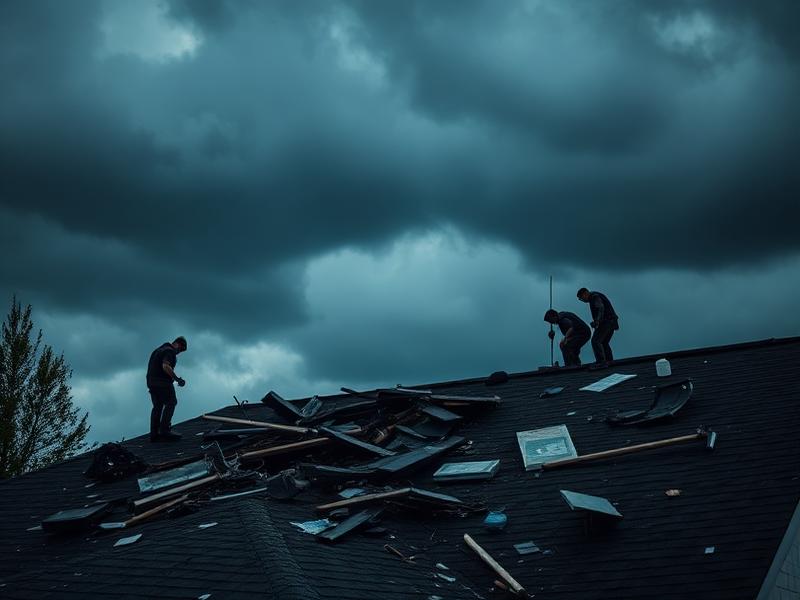
3. Clogged drainage systems cause ponding water that exceeds the membrane's waterproofing capacity. Longview's heavy spring rains can overwhelm under-maintained drain systems in minutes. 4. Storm damage from hail, wind-blown debris, and fallen tree limbs creates punctures and tears that may not be visible from ground level. After every significant Longview storm, a professional inspection should be scheduled. 5. Age-related membrane degradation — even well-maintained commercial roofs eventually reach the end of their service life. If your Longview commercial roof is approaching 20 years, leaks become increasingly likely regardless of maintenance.
Emergency Leak Response Steps for Longview Business Owners
Step 1: Protect interior assets. Move inventory, equipment, and electronics away from the leak area. Place containers to collect water and cover sensitive items with plastic sheeting. Step 2: Document everything. Take photos and videos of the leak source (if safely accessible), interior damage, and affected inventory. This documentation is essential for insurance claims. Step 3: Call a professional commercial roofing contractor immediately — not a general handyman.
Step 4
Do not attempt DIY roof repairs. Commercial roof surfaces are dangerous when wet, and improper repairs can void manufacturer warranties. Wait for a certified contractor to assess and repair the damage professionally. Step 5: File an insurance claim if the leak resulted from a covered event (storm, hail, wind). Your roofing contractor should provide documentation to support the claim.
Professional Commercial Leak Repair Methods
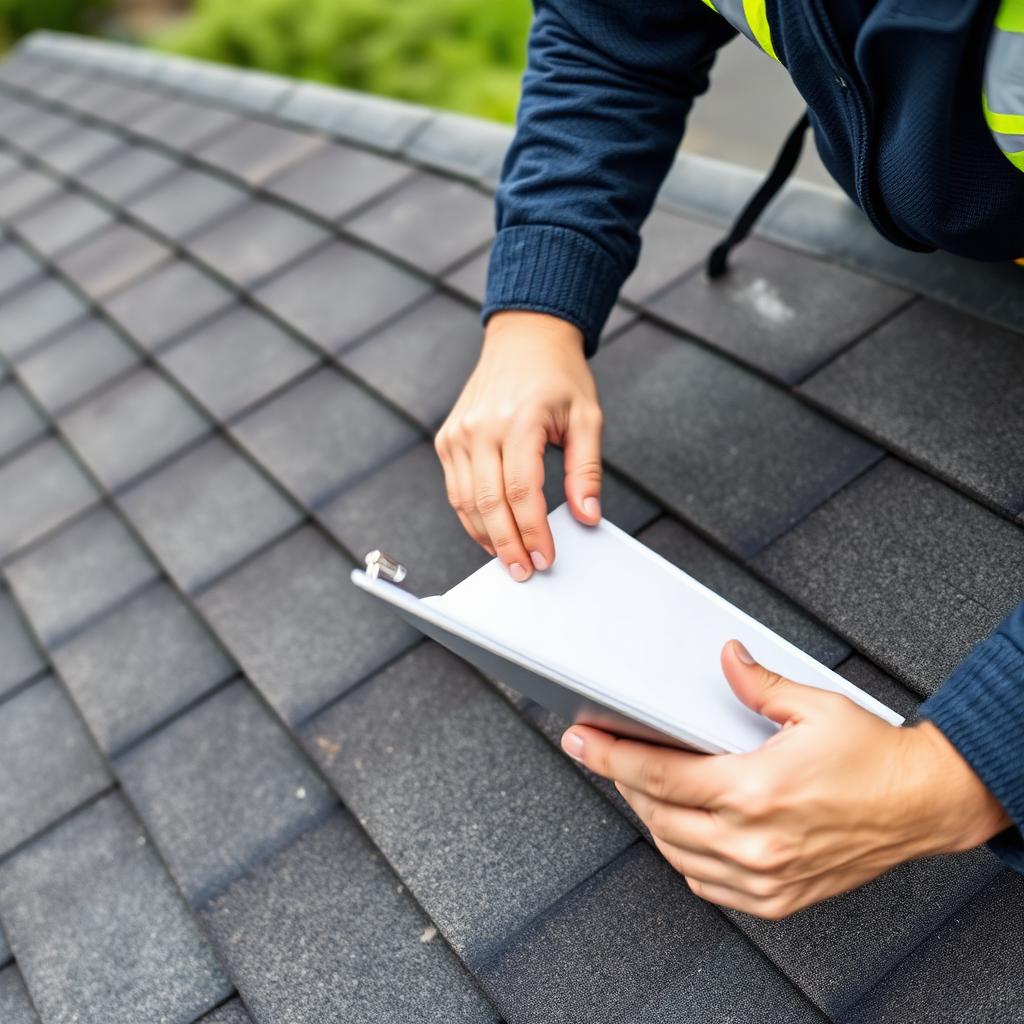
Effective leak repair starts with accurate source identification. Water often travels along roof decking and structural members before appearing as an interior drip, meaning the visible leak location rarely corresponds to the actual roof penetration point. Yosemite Roofing uses thermal drone imaging to identify moisture trapped beneath the membrane — a technology that pinpoints leak sources without destructive testing.
Once identified, repair methods depend on the damage extent: Seam re-welding restores failed TPO/PVC seams. Flashing replacement addresses penetration leaks with new materials and sealants. Membrane patching repairs punctures and tears with matching material and proper adhesion techniques. Section replacement is necessary when damage is too extensive for spot repairs. In all cases, repairs should restore the roof to manufacturer warranty compliance.
When Repair Isn't Enough
If your Longview commercial roof requires frequent repairs, has multiple active leak points, or is beyond 75% of its expected lifespan, replacement is typically more cost-effective than continued patching. A full commercial roof assessment from Yosemite Roofing provides the data you need to make that decision confidently.
For emergency commercial roof leak repair in Longview, TX, call Yosemite Roofing at (903) 326-7255. We respond to Longview commercial emergencies 24/7.
Now that you know what to look for, find out what your roof actually needs.
Start with a commercial roof survey to discuss the roof's condition, your building's needs, and the scope of repair or replacement options.