Commercial Roofing Insurance Claims in Longview, TX
East Texas storm season doesn't discriminate — hail, high winds, and fallen debris damage Longview commercial roofs every year. Filing an insurance claim for commercial roof damage is fundamentally different from residential claims, involving larger dollar amounts, more complex documentation, and longer adjuster timelines. This guide helps Longview, TX business owners navigate the commercial roofing insurance claim process efficiently and maximize their rightful recovery.
Step 1: Document Damage Immediately
Time is critical. Within 24 hours of a storm event, document all visible damage with photos and videos from ground level and (if safely accessible) the roof surface. Note the date, time, and weather conditions. Photograph interior damage — water stains, wet inventory, damaged equipment — with timestamps. This initial documentation establishes the storm as the cause of damage, which is essential for claim approval.
Step 2: Contact Your Insurance Company
File your claim within 48-72 hours of the storm. Most Texas commercial property policies have reporting deadlines — missing them can result in claim denial. Provide your policy number, date of loss, and a brief description of damage. Request your claim number and the name of your assigned adjuster. Do not authorize any permanent repairs until the adjuster has inspected — temporary protective measures like tarping are always acceptable.
Step 3: Schedule a Professional Roof Inspection
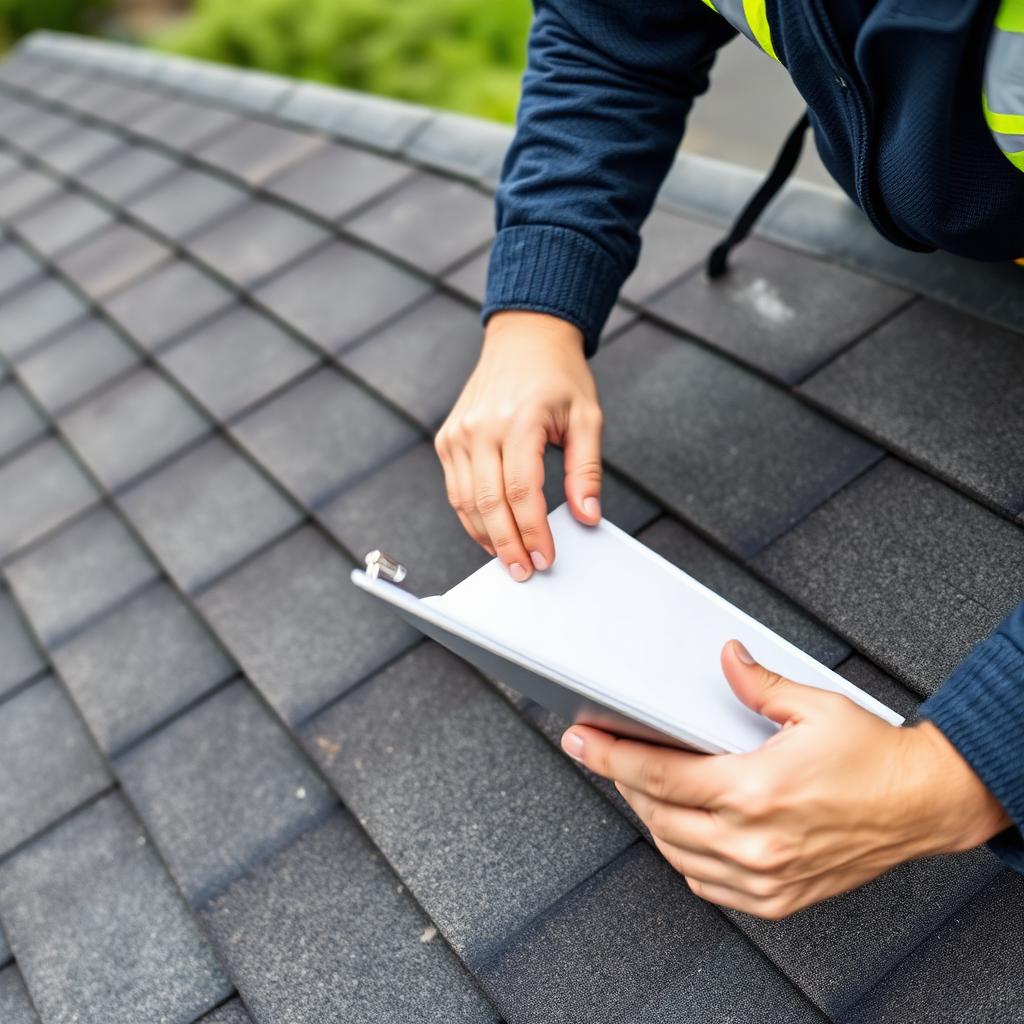
Before the insurance adjuster arrives, have a certified commercial roofing contractor inspect the roof and provide a detailed damage report. This report should include thermal drone imaging (which reveals hidden moisture damage invisible to the naked eye), itemized damage findings with photos, a scope of repair or replacement with line-item pricing, and manufacturer specifications for recommended materials. Having this professional documentation gives you leverage during the adjuster's assessment.
Step 4: Meet the Adjuster On-Site
Always have your roofing contractor present during the insurance adjuster's inspection. Adjusters are generalists — your contractor is the specialist who can identify damage the adjuster might miss. Common items adjusters overlook on Longview commercial roofs include hail bruising on membrane surfaces, compromised seam integrity from wind stress, displaced edge flashing, and hidden moisture beneath the membrane.
Step 5: Review and Negotiate the Estimate
Insurance adjusters frequently underestimate commercial roof repair costs. Compare the adjuster's estimate line by line against your contractor's scope. Common shortfalls include: using incorrect material specifications, omitting code-required upgrades (insulation R-value, edge securement), underpricing labor rates for the Longview market, and excluding disposal and permitting costs. If the gap is significant, your contractor can prepare a supplement with supporting documentation.
Step 6: Understand Your Policy
Key policy terms every Longview business owner should know: ACV (Actual Cash Value) pays replacement cost minus depreciation — you receive less upfront. RCV (Replacement Cost Value) pays full replacement cost, typically in two checks (initial payment minus deductible, then recoverable depreciation after work is completed). Deductible — commercial policies may have flat deductibles or percentage-based wind/hail deductibles. A 2% deductible on a $1M building means $20,000 out of pocket.
Common Claim Pitfalls to Avoid
Never sign an Assignment of Benefits (AOB) to a contractor — it transfers your policy rights. Don't accept the first adjuster estimate without contractor review. Don't delay filing — Texas statute of limitations on property claims is typically 2 years but policy deadlines may be shorter. And never hire a contractor who offers to 'waive your deductible' — this is insurance fraud in Texas.
Yosemite Roofing assists Longview, TX businesses with every step of the commercial insurance claim process. Call (903) 326-7255 for a free storm damage inspection and claim support.
Now that you know what to look for, find out what your roof actually needs.
Start with a commercial roof survey to discuss the roof's condition, your building's needs, and the scope of repair or replacement options.