Residential Roof Tree Damage in Tyler, TX — And What to Do About It
Tyler, TX is the Rose City — but it's also the Pine Tree City. East Texas's dense forest canopy provides welcome shade and beautiful scenery, but those towering pines, oaks, and sweetgums are quietly waging war on your roof every single day. From massive limbs crashing through decking during storms to the slow, invisible damage caused by overhanging branches, trees are responsible for more roof damage in Tyler than most homeowners realize.
Immediate Damage: Falling Limbs and Trees
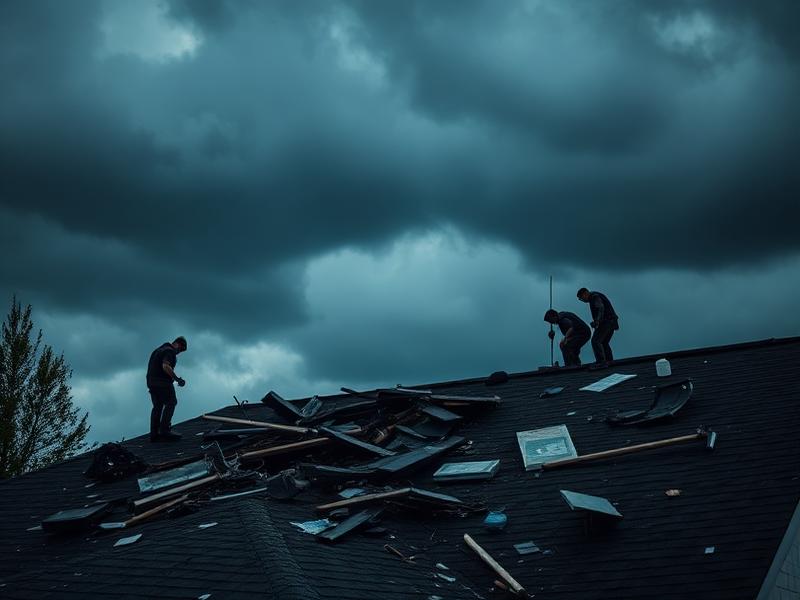
East Texas thunderstorms produce the wind, lightning, and saturated soil conditions that bring trees down on homes. A single pine tree limb weighing several hundred pounds can punch through shingles, underlayment, and decking in an instant, creating an opening that allows gallons of rainwater into your home within minutes. Entire trees falling on roofs cause catastrophic structural damage that often totals the roofing system and requires extensive framing repair.
Slow Damage: Overhanging Branches
Branches that touch or hang within 6 feet of your roof cause constant low-grade damage. Wind moves branches across shingle surfaces, abrading granules like sandpaper — you can often see bare, shiny streaks on shingles beneath overhanging limbs. Squirrels and raccoons use branches as highways onto your roof, where they chew through soffit, vent screens, and even shingles to access attics. Every branch touching your roof is a pest highway into your home.
Debris Accumulation
Pine needles, leaves, seed pods, and small twigs accumulate in valleys, behind chimneys, around pipe boots, and in gutters. This organic debris traps moisture against the roof surface, promoting moss, algae, and mold growth that degrades shingles. In gutters, debris creates dams that cause water backup under the roof edge. Tyler homeowners with heavily wooded lots often need gutter cleaning 4-6 times per year instead of the standard twice.
Root Damage You Can't See
Large trees near your home's foundation create indirect roof problems. Root systems in East Texas clay soil cause foundation movement that shifts the entire structure — including the roof frame. When the frame shifts, it creates gaps in flashing, breaks shingle seal strips, and misaligns valleys. If you notice interior cracks above door frames or windows that don't close properly, foundation movement from tree roots may be affecting your roof alignment too.
What Tyler Homeowners Should Do
Trim branches to maintain a minimum 6-foot clearance from all roof surfaces. Hire a certified arborist — not a general landscaper — for large branches near the roofline. Remove dead trees proactively, especially pines that have lost significant needle coverage or show bark beetle damage. Dead pines fall without warning. Clean debris from the roof surface, valleys, and gutters at least quarterly. Inspect after storms — even if no limbs fell on your roof, wind may have driven small branches into shingles or displaced flashing.
After a Tree Hits Your Roof
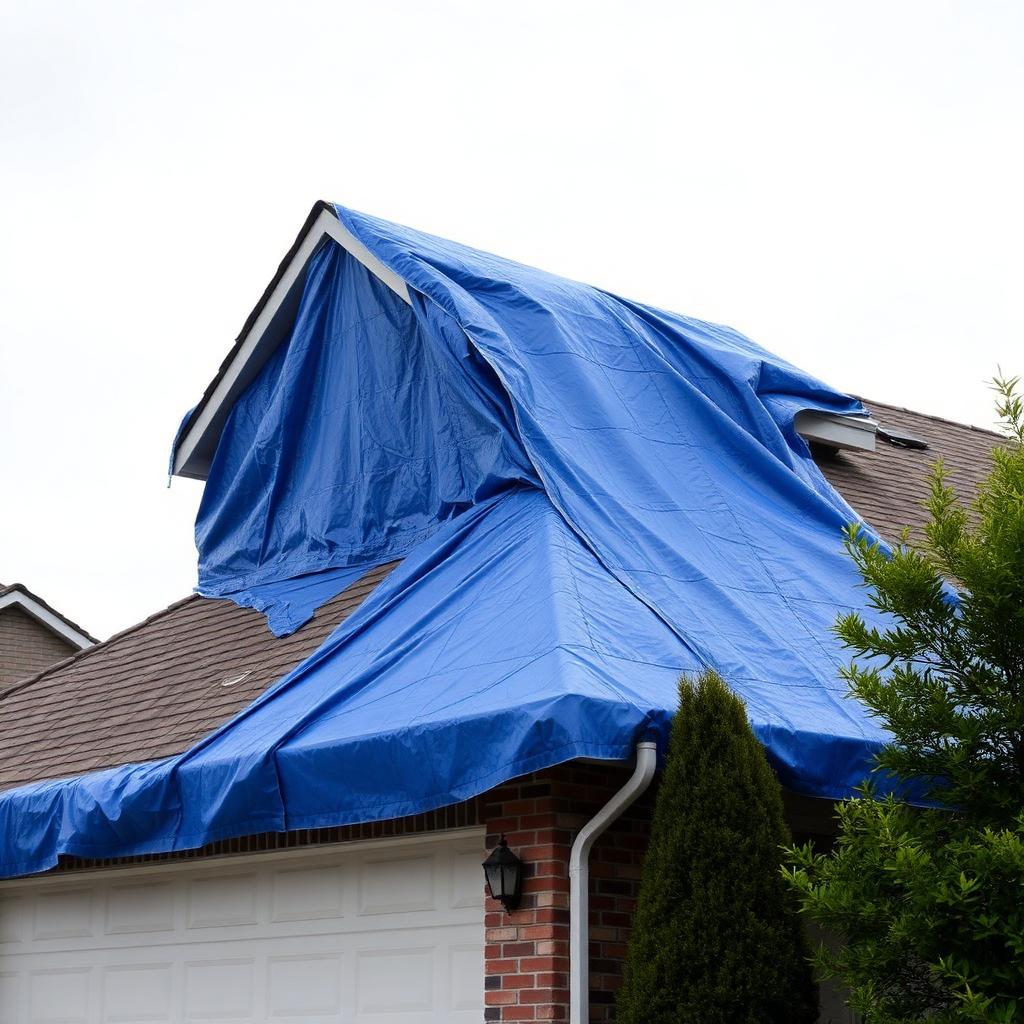
Do not attempt to remove the tree yourself. Fallen trees under tension can shift unpredictably. Call a professional tree service for removal, then have a roofing contractor assess the damage. Most tree-related roof damage is covered under your homeowners insurance policy (wind and storm peril). Document everything with photos before any cleanup or temporary repairs. Emergency tarping should be done by a professional while you wait for permanent repair scheduling.
Insurance Considerations
Your insurance covers damage from trees that fall due to wind, ice, or other weather events. Trees that fall due to disease or age may be covered differently. If your neighbor's tree falls on your roof, your insurance (not theirs) typically covers the damage. If a dead tree you knew about falls and you failed to remove it, your insurer could argue negligence. Regular tree maintenance protects both your roof and your claim eligibility.
Worried about tree damage to your Tyler, TX roof? Call Yosemite Roofing at (903) 326-7255 for a free inspection and honest assessment.
Now that you know what to look for, find out what your roof actually needs.
Start with a free roof inspection to discuss the condition of your roof and the next steps that fit your home.