Residential Ice Storm Roof Damage in East Texas: How to Respond
East Texas doesn't get blizzards, but when ice storms hit Tyler, Longview, and the surrounding area, the damage is disproportionate — because our homes aren't built for it. Unlike northern states where steep pitches and ice shield underlayment are standard, most East Texas roofs have moderate slopes and minimal cold-weather protection. When freezing rain coats everything in a half-inch of ice, Tyler roofs face stresses they were never designed to handle.
How Ice Damages East Texas Roofs
Ice dams form when heat escaping through poorly insulated attics melts snow or ice on the upper roof. The meltwater flows downward and refreezes at the cold eave, creating a dam that forces water back up under shingles. In Tyler homes without ice and water shield at the eaves, this water enters the roof deck, insulation, and eventually your ceilings. Ice weight is the other danger — a half-inch of ice across a 2,000-square-foot roof adds over 5,000 pounds of load. Gutters bearing this weight often pull away from fascia boards, and weakened tree limbs snap onto roof surfaces.
Before the Ice Storm: Preparation
Clean gutters and downspouts so meltwater drains freely. Trim overhanging branches that could snap under ice weight. Check attic insulation — R-38 minimum prevents the heat loss that causes ice dams. Ensure attic ventilation is functioning (balanced soffit intake and ridge exhaust). Have your roofing contractor's emergency number saved — you don't want to search for it at 2 AM with water dripping through your ceiling.
During the Storm: What NOT to Do
Do not climb on an ice-covered roof under any circumstances. Do not attempt to break ice off gutters or eaves — you'll damage the gutter system and potentially the roof edge. Do not use salt, calcium chloride, or chemicals on your roof — they damage shingles and flashing. If water is coming through the ceiling, place containers to catch drips and poke a small drainage hole if the ceiling is bulging (to prevent collapse). Wait for the thaw.
After the Thaw: Assessment and Action
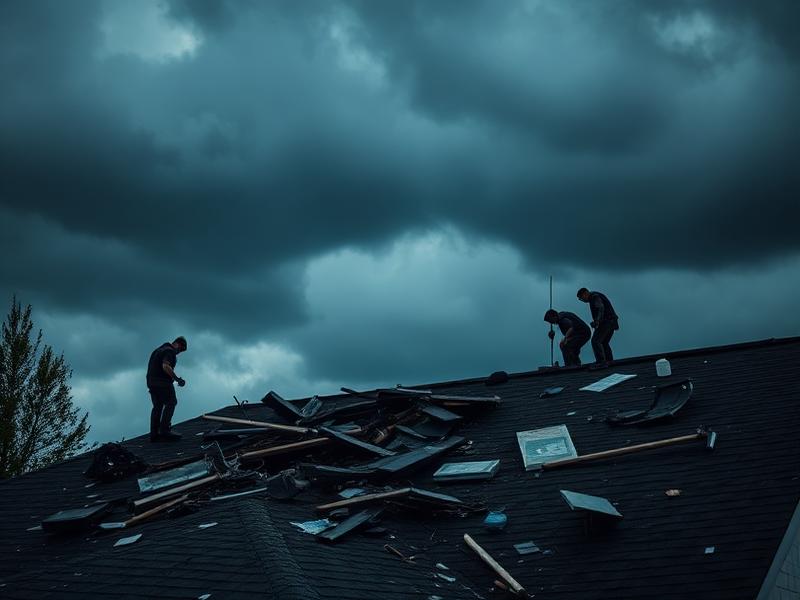
Once ice melts, inspect from the ground: look for sagging or detached gutters, displaced shingles at the eaves, visible water staining on soffits, and dented or crushed vent covers. Check interior spaces for new water stains, damp insulation, and musty odors indicating moisture intrusion. Schedule a professional inspection within a week — ice damage is often subtle, with cracked shingles and compromised flashings that won't be obvious until the next rainstorm causes a leak.
Insurance Coverage for Ice Damage
Most Texas homeowners policies cover ice storm damage as a weather peril. Document everything with photos before cleanup. If gutters pulled away, shingles cracked, or interior water damage occurred, file your claim promptly. Ice-related claims in East Texas are less common than hail claims, so adjusters may be less familiar with the damage patterns — having your contractor present during the inspection ensures nothing is missed.
Long-Term Prevention
If your Tyler home experienced ice dam damage, address the root cause: inadequate attic insulation and ventilation. Adding insulation to R-38+ and ensuring proper soffit-to-ridge airflow prevents the heat loss that creates ice dams. During your next roof replacement, install ice and water shield membrane at all eaves (extending 3 feet past the exterior wall line) — it's inexpensive insurance against future ice events.
Need ice storm damage assessment for your Tyler, TX home? Call Yosemite Roofing at (903) 326-7255 for a free inspection.
Now that you know what to look for, find out what your roof actually needs.
Start with a free roof inspection to discuss the condition of your roof and the next steps that fit your home.