Wind Damage Roof Repair in Tyler, TX: What to Do After the Storm
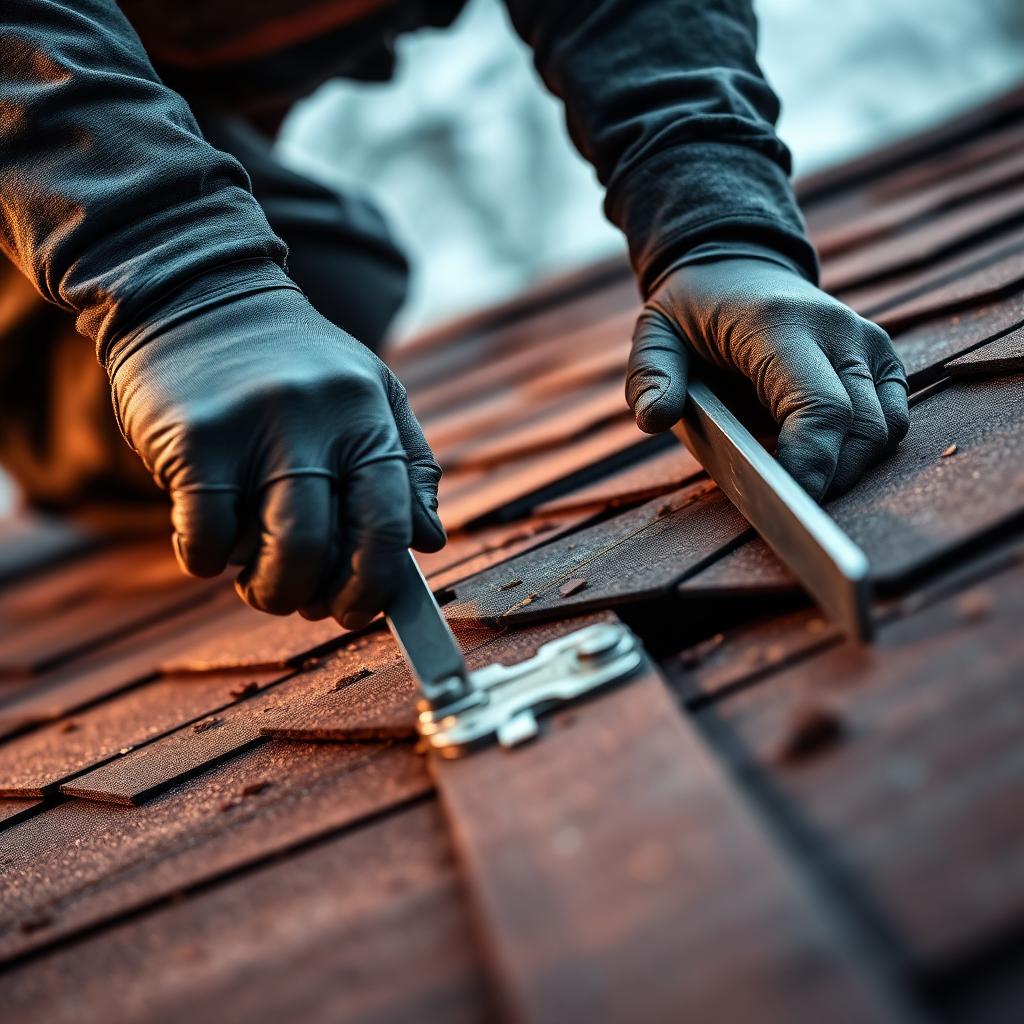
Tyler, TX sits in one of the most wind-active regions in the country. East Texas thunderstorms routinely produce 60-80 mph straight-line winds, and microbursts can exceed 100 mph — enough to peel entire sections of roofing off a home. Even moderate 40-50 mph gusts that don't make the news can lift shingle edges, break seal strips, and create vulnerabilities that leak for months before you notice. Understanding wind damage patterns helps Tyler homeowners respond quickly and protect their largest investment.
How Wind Damages Roofs
Wind doesn't apply uniform force across your roof. It accelerates over ridges, creates uplift at eaves, and generates the highest pressures at corners and edges. This is why wind damage typically follows a pattern: perimeter shingles (eaves, rakes, and ridge) fail first. Corner shingles experience the highest wind loads and are most likely to lift or tear away. The leeward side (opposite the wind direction) often shows more damage than the windward side due to turbulence and suction effects.
Identifying Wind Damage From the Ground
After any significant wind event in Tyler, TX, walk the perimeter of your home and look for: shingles on the ground — the most obvious sign; visible gaps in the shingle pattern — exposed underlayment or decking appears as lighter-colored strips or dark patches; shingles that appear lifted or flipped — they may have resealed temporarily in the heat but their integrity is permanently compromised; damaged ridge caps — the ridge is the highest and most exposed point; bent or displaced flashing around chimneys, vents, and walls; and gutter or downspout damage from wind-blown debris.
The Invisible Damage Problem
Here's what makes wind damage insidious: many wind-damaged shingles don't immediately leak or fall off. Instead, the adhesive seal strip breaks, the shingle lifts during the storm, and then reseals when temperatures warm back up. From the ground, the shingle looks fine. But its wind resistance is now dramatically reduced — the next storm with even moderate wind will finish the job. Professional inspection using thermal imaging and hands-on testing reveals these compromised shingles that visual inspection from the ground misses entirely.
Immediate Steps After Wind Damage
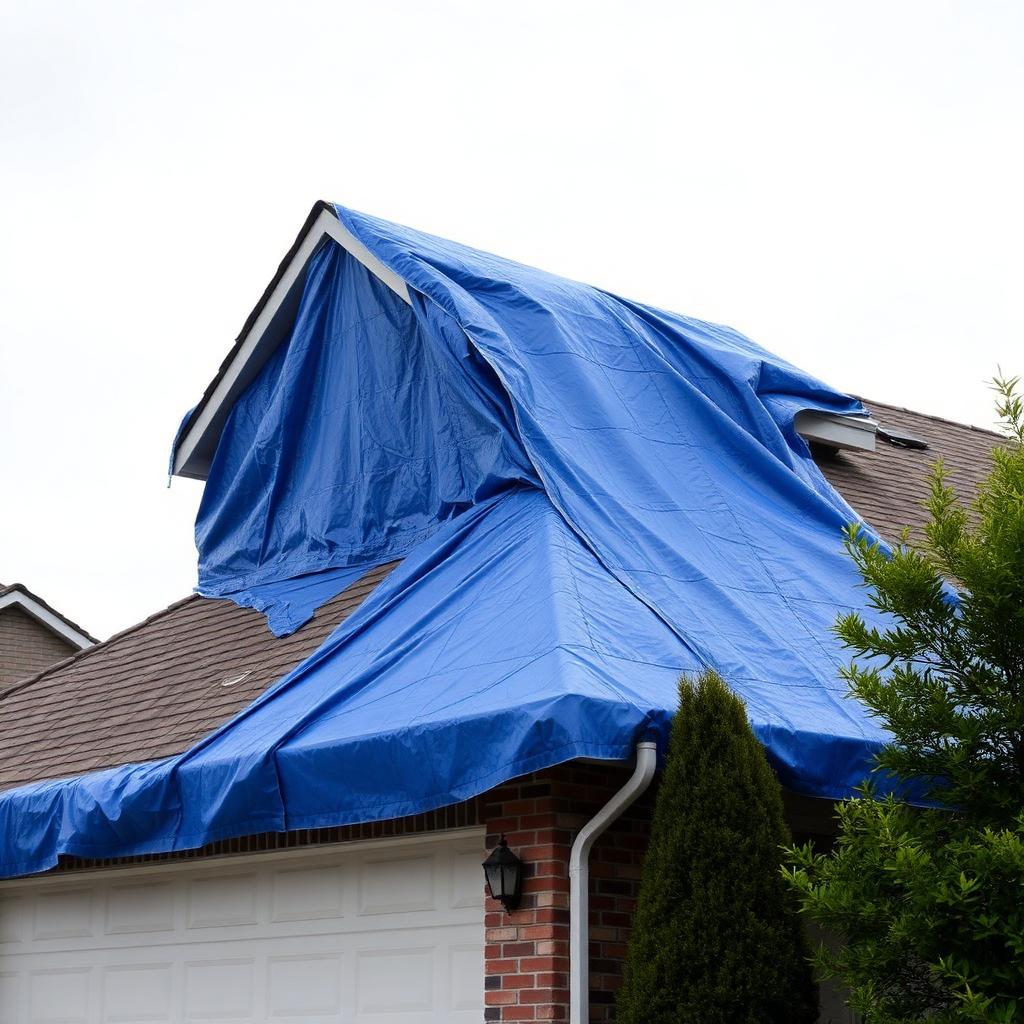
1. Document everything. Walk around the house photographing any visible damage, fallen shingles, and debris. Note the date, time, and weather conditions. 2. Check interior spaces. Look for water stains on ceilings and walls, especially in the attic. Wind-driven rain often enters through compromised shingles before they fully detach. 3. Do NOT climb on the roof. Damaged shingles and wet surfaces create serious fall hazards. 4. Call a professional. Schedule an inspection within 48 hours — documenting damage quickly strengthens your insurance claim.
Insurance Claims for Wind Damage
Wind damage is covered under most Texas homeowners policies (minus your deductible). File your claim within 48-72 hours. Key tips: don't sign anything from door-to-door contractors who show up after storms — many are unlicensed storm chasers. Have your chosen contractor present during the adjuster's inspection to ensure all damage is identified. Review the adjuster's estimate against your contractor's scope — supplemental claims are common when adjusters underestimate wind damage.
Repair vs. Replacement After Wind Damage
If wind damage is limited to a small area (fewer than 3 squares or about 300 square feet), targeted repair is usually appropriate. Widespread damage — especially if it spans multiple roof planes or involves structural components like flashing and ridge — typically warrants full replacement. Insurance adjusters use damage density thresholds to make this determination, and your contractor should advocate for the appropriate scope.
Preventing Future Wind Damage
Upgrade to wind-rated shingles (130+ mph) during your next replacement. Ensure proper nail patterns (6-nail application instead of 4-nail in high-wind zones). Install starter strip shingles with enhanced adhesive at eaves and rakes. Keep trees trimmed to reduce debris impact. These upgrades add minimal cost during installation but dramatically improve wind performance.
For wind damage roof repair in Tyler, TX, call Yosemite Roofing at (903) 326-7255. Free storm damage inspections available 24/7.
Now that you know what to look for, find out what your roof actually needs.
Start with a free roof inspection to discuss the condition of your roof and the next steps that fit your home.