Storm Damage Roof Repair in East Texas: The Complete Guide
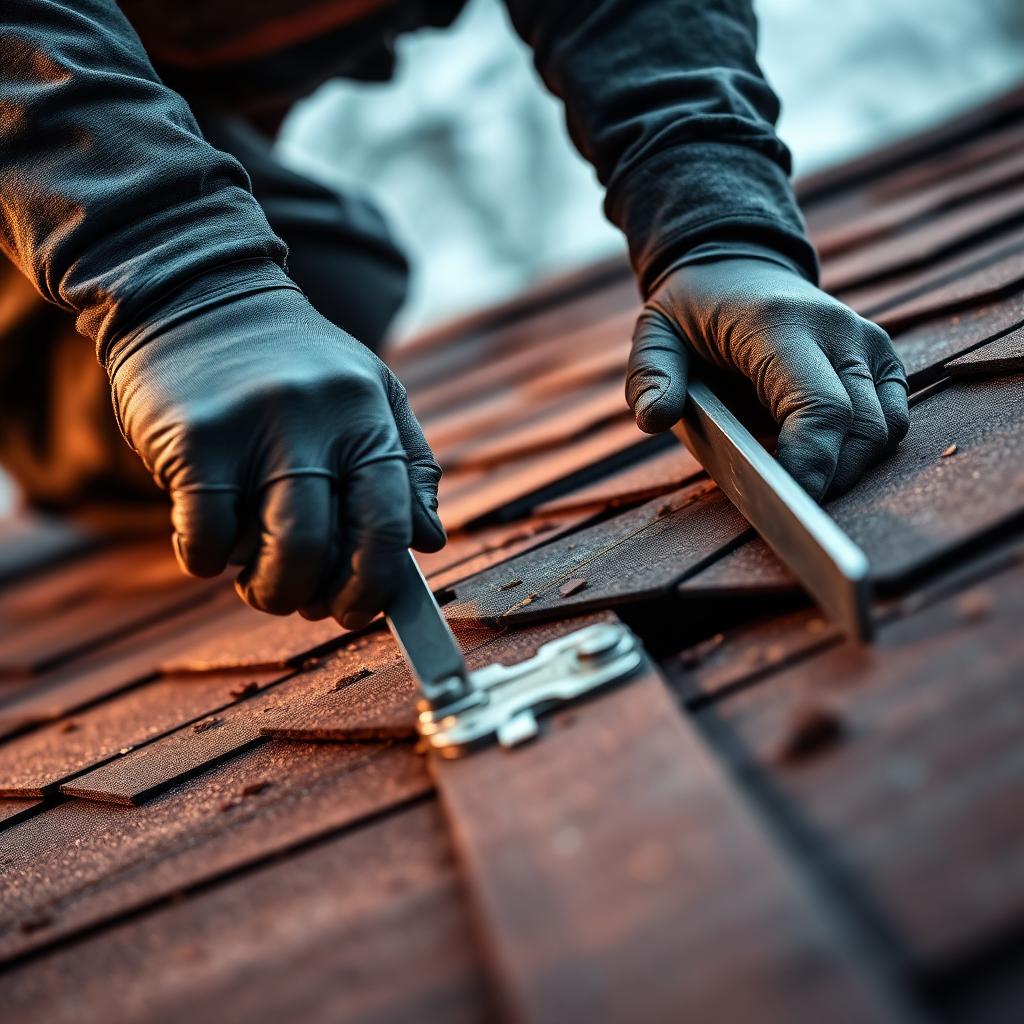
East Texas averages 50+ thunderstorm days per year, with hail, straight-line winds, and tornadoes causing millions in residential roof damage across Tyler, Longview, and surrounding communities. Storm damage ranges from subtle granule loss you can't see from the ground to catastrophic structural failures that leave rooms open to the sky. This guide covers everything East Texas homeowners need to know about identifying, repairing, and insuring storm-damaged roofs.
Types of Storm Damage Common in East Texas
Hail damage is the most frequent and most misunderstood. Hailstones dislodge protective granules from asphalt shingles, creating dark spots or bruises. These impacts may not cause immediate leaks, but they dramatically shorten shingle lifespan by exposing the asphalt mat to UV degradation. Hail damage is often invisible from ground level — only a rooftop inspection reveals the extent. Even 1-inch hailstones can cause Class 4 damage that warrants full replacement.
Wind damage typically manifests as lifted, creased, or missing shingles. East Texas thunderstorms regularly produce 60-80 mph gusts, and microbursts can exceed 100 mph. Wind doesn't affect the entire roof uniformly — edges, ridges, and corners experience the highest wind loads. After any significant wind event, inspect these areas first. Lifted shingles may reseal temporarily in warm weather but their seal integrity is permanently compromised.
Debris impact from fallen branches and wind-blown objects causes punctures, cracks, and structural damage. East Texas's dense pine forests make tree-related roof damage especially common. Even small branches can crack shingles and damage flashing when driven by storm-force winds. Larger limbs can punch through decking and require structural repairs beyond simple re-roofing.
How to Assess Storm Damage Safely
Never climb onto a wet or storm-damaged roof. Instead, conduct a ground-level survey: look for missing or displaced shingles, exposed underlayment or decking, damaged flashing around chimneys and vents, granules accumulated in gutters and downspouts, and dented or crushed gutter and vent covers. Inside the home, check for water stains on ceilings, damp insulation in the attic, and daylight visible through the roof deck.
The Professional Storm Damage Inspection
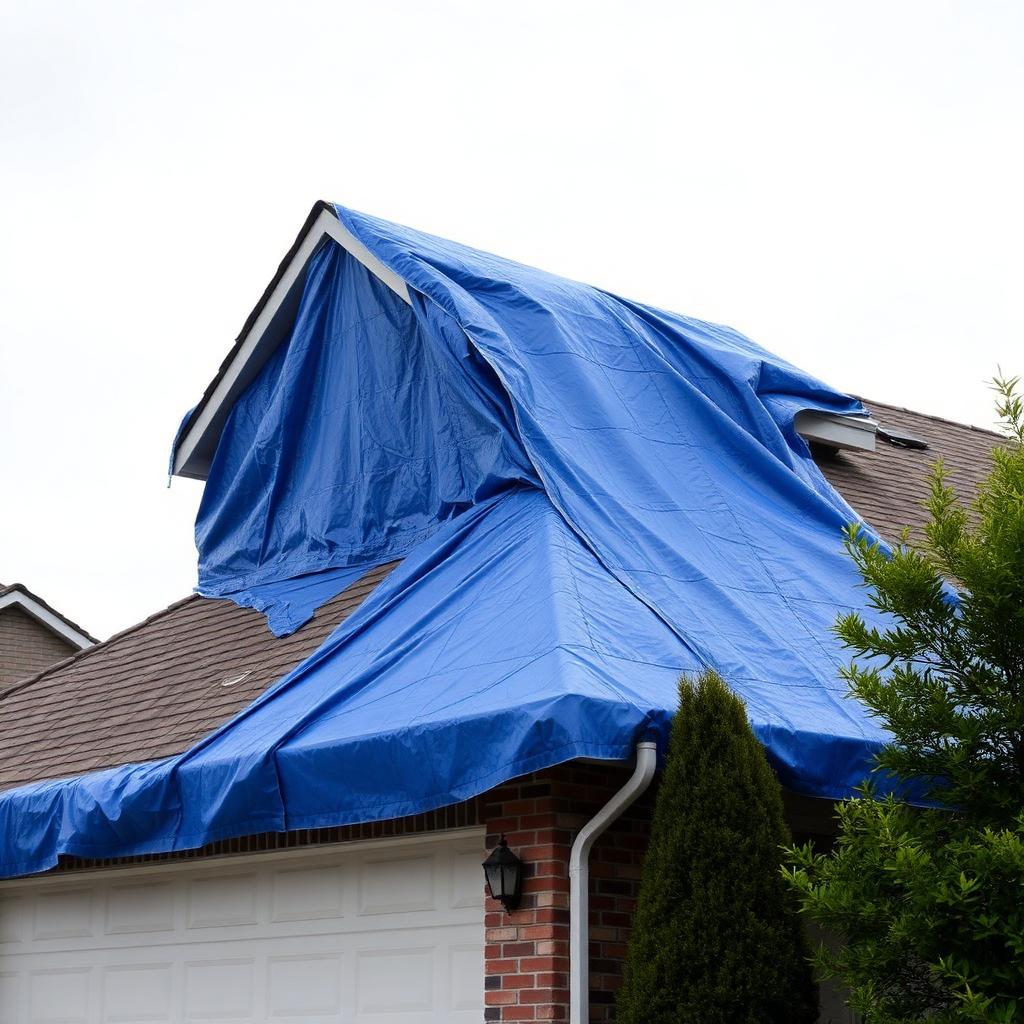
A certified roofer's storm damage inspection goes far beyond what homeowners can assess. The inspector examines every roof plane, tests shingle adhesion, documents hail impact patterns, checks flashing integrity, evaluates ventilation components, and photographs all findings. Yosemite Roofing's thermal drone technology adds another layer — identifying trapped moisture beneath shingles that indicates hidden damage not visible to the eye. This comprehensive documentation is essential for insurance claim success.
Repair vs. Replacement After Storm Damage
Minor damage (fewer than 10 affected shingles, no decking exposure) is typically repairable. Moderate to severe damage — widespread hail impacts, multiple missing shingle sections, or structural compromise — usually warrants full replacement. Insurance adjusters use a damage threshold (typically 8+ hits per 100-square-foot test square) to determine whether a roof qualifies for full replacement under your policy.
Working with Insurance After Storm Damage
File your claim promptly (within 48-72 hours). Have your roofing contractor's inspection report ready before the adjuster visits. Be present during the adjuster's inspection and have your contractor attend if possible. Review the adjuster's estimate against your contractor's scope — supplemental claims are common and legitimate when the initial estimate is insufficient. Texas law gives homeowners the right to choose their own contractor regardless of insurer recommendations.
For storm damage roof repair in Tyler, TX and East Texas, call Yosemite Roofing at (903) 326-7255. Free storm damage inspections available 24/7.
Now that you know what to look for, find out what your roof actually needs.
Start with a free roof inspection to discuss the condition of your roof and the next steps that fit your home.