
Flashing / Vent Repair
Seal the Most Vulnerable Points on Your Roof
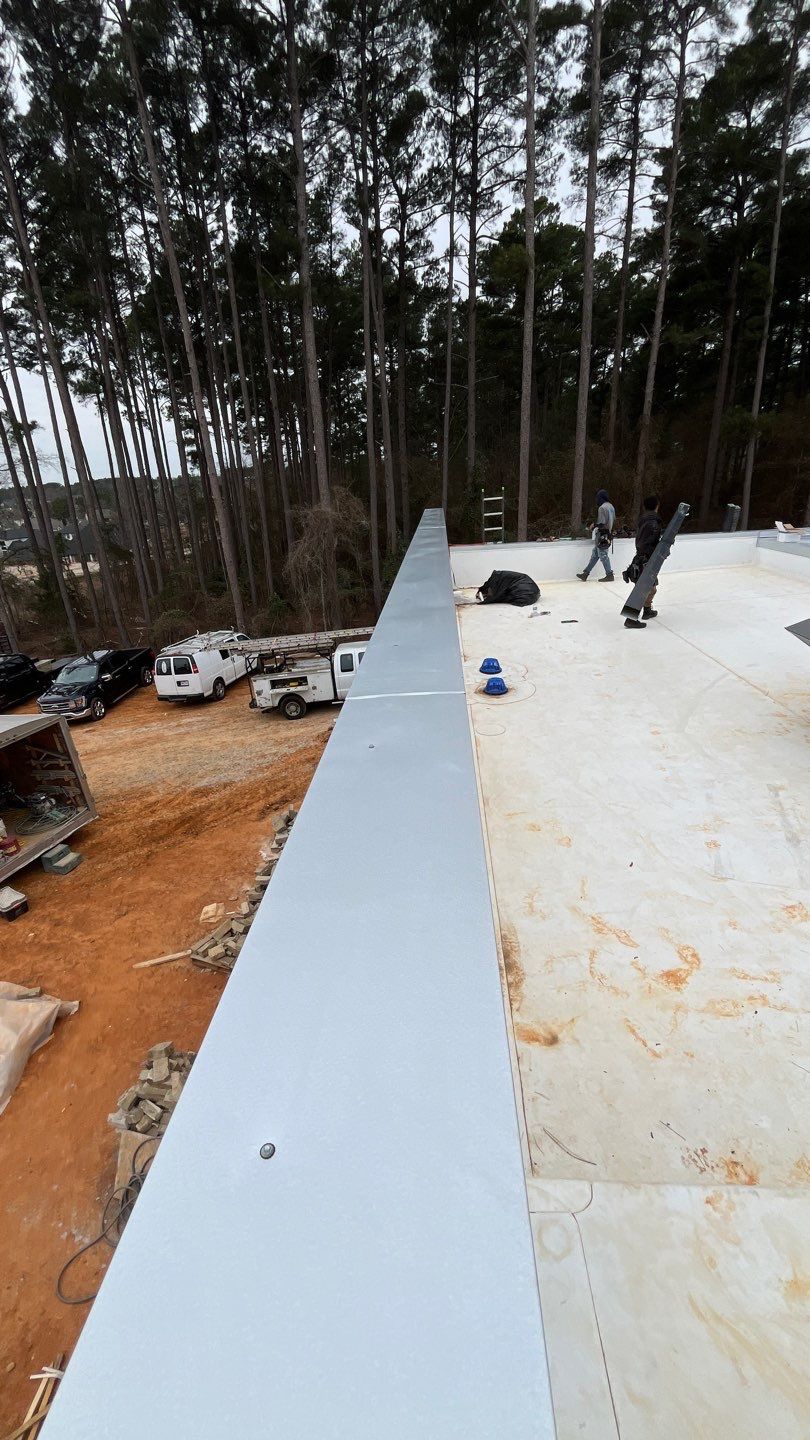
Flashing and vents are your roof's most vulnerable points — every pipe, chimney, skylight, and wall transition creates a penetration that storms exploit. Our specialists restore these critical seals to prevent the leaks that cause the most interior damage.
Why It Matters
PENETRATIONS ARE WHERE ROOFS FAIL
Over 90% of roof leaks originate at penetrations and transitions — not in the field of shingles. Flashing around chimneys, pipe boots around plumbing vents, and step flashing at wall transitions are the first components to fail after storm damage.
- Chimney flashing inspection and re-sealing
- Pipe boot replacement and collar installation
- Step flashing repair at wall-to-roof transitions
- Ridge vent and off-ridge vent restoration
- Skylight flashing assessment and repair
- Sealant and caulk replacement at all penetrations
What Sets Us Apart
THE YOSEMITE DIFFERENCE
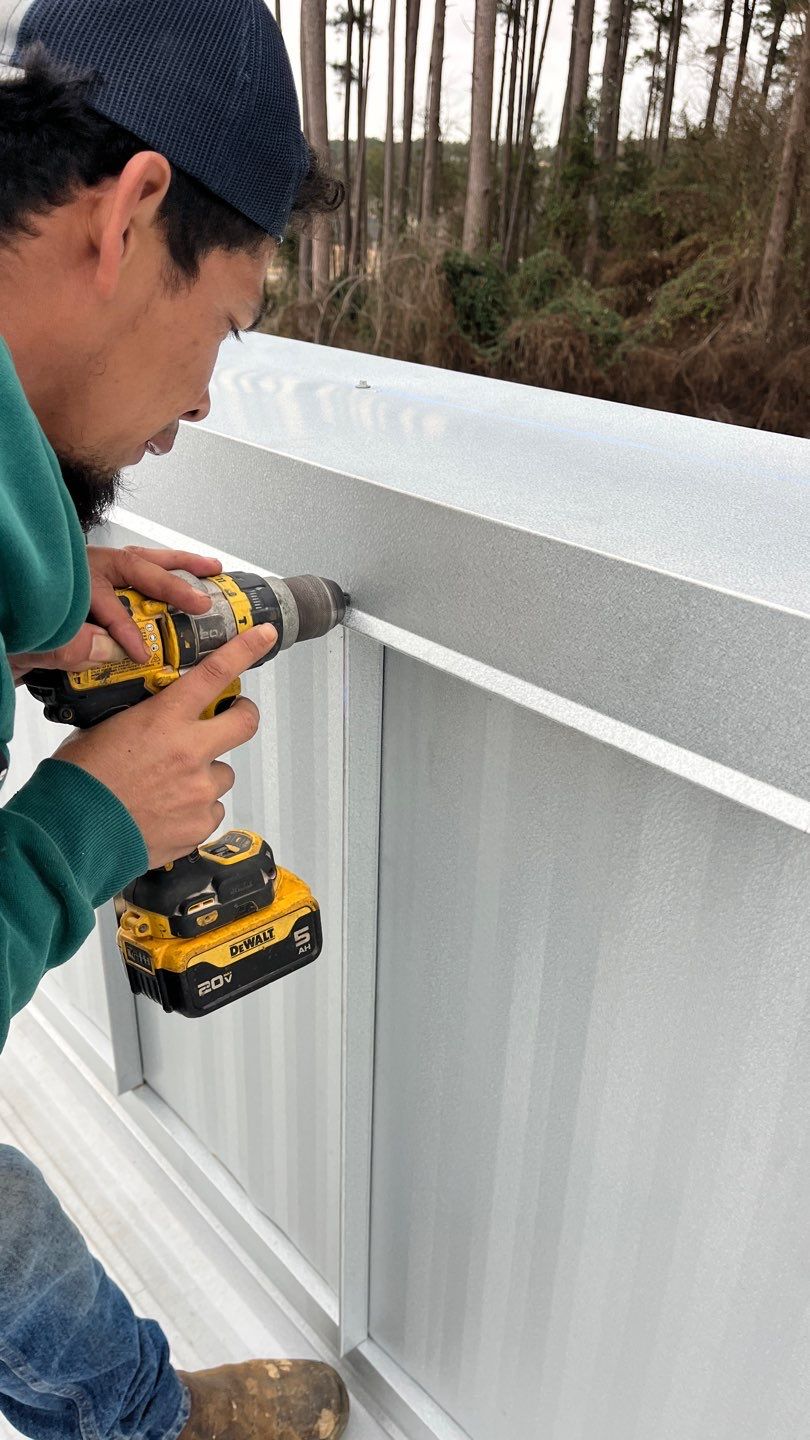
We use lead and aluminum flashing materials that last the life of your roof — not the galvanized steel that rusts within 10 years.
Every pipe boot replacement includes a new neoprene collar rated for our temperature extremes — cheap boots crack in East Texas heat within 5–7 years.
Storm damage often displaces flashing without visibly breaking it — our inspectors check for lifted, bent, and loosened flashing that still appears intact.
How Storms Damage Flashing and Vents
Wind lifts flashing edges, breaking the sealant bond and allowing water entry. Hail dents and cracks pipe boots, ridge vent covers, and soffit vents. Thermal cycling from temperature extremes causes sealant to expand, contract, and eventually crack — a process accelerated by storm-induced stress. Fallen debris can bend, displace, or puncture flashing at chimneys and walls. Each of these failure modes requires a specific repair approach.
Preventative Flashing Maintenance
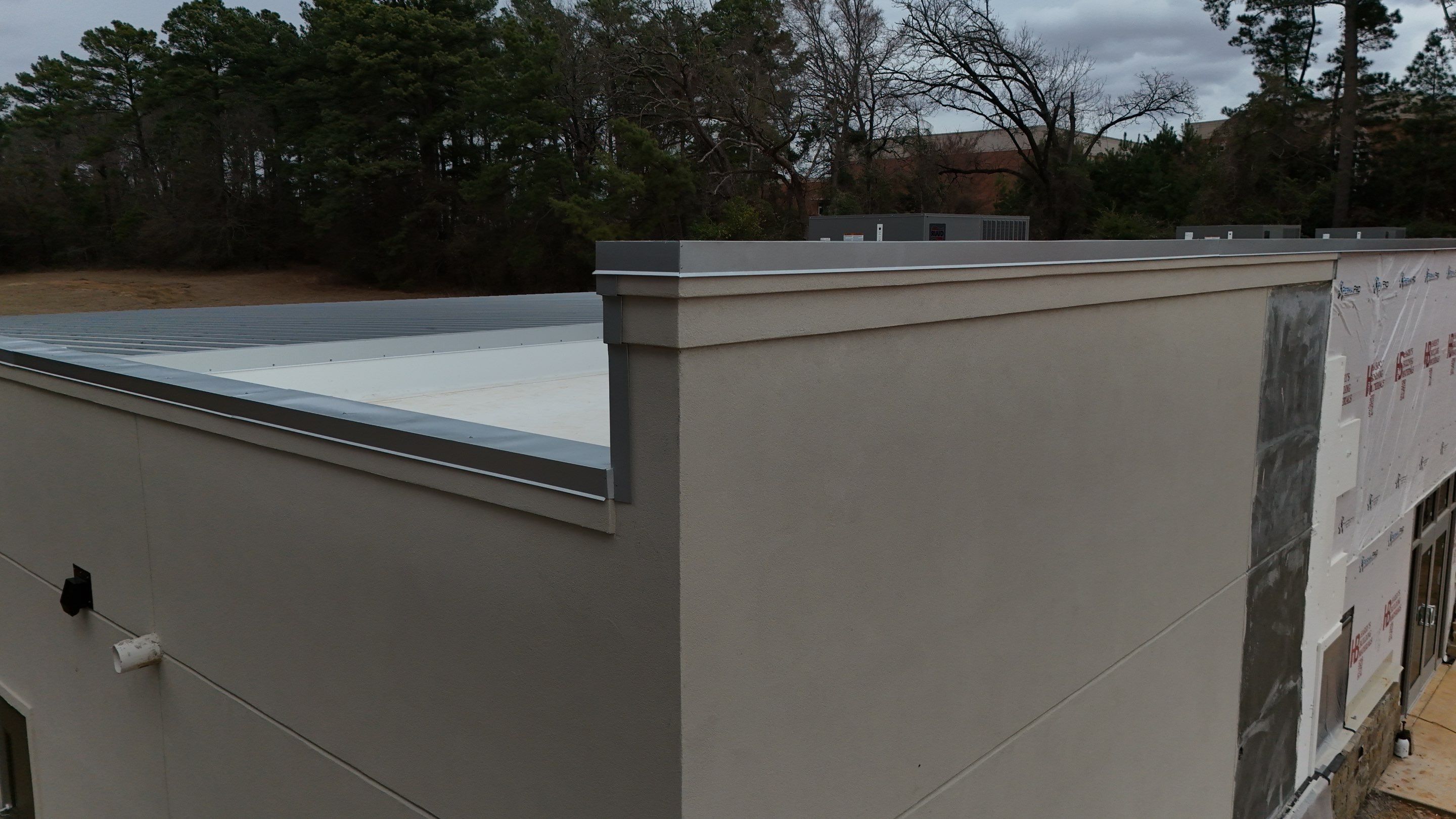
The best time to repair flashing is before it leaks. Our preventative maintenance program includes inspection and re-sealing of all roof penetrations on a scheduled basis — catching deteriorating sealant, cracked boots, and loosened flashing before they cause interior damage. For homes over 10 years old, a flashing-focused inspection can prevent the most common source of roof leaks.
Need Flashing / Vent Repair?
Don't wait for the damage to get worse. Our Tyler-based team is ready to help — call now or schedule a complimentary inspection.